Showing posts with label dysautonomia. Show all posts

Tuesday, May 15, 2012

How to improve your toxic environment

Source
We all know that our households can have some of the highest concentrations of toxins (indoor air is more contaminated than outdoor air because it is sealed inside our houses so well).  The EPA estimates that indoor air is 3 times more polluted than the air outside, and other sources suggest up to 10 times more.  The off-gassing of our furniture, carpets, paints, and cleaners can cause or worsen many health problems.  And those of us with chronic illnesses can have a more difficult time removing toxins from our bodies, so it's all the more urgent that we do something to help our bodies help themselves.

Well that certainly doesn't sound like the most ideal environment for healing!   But don't despair...there are lots of ways to improve your indoor air quality.


  • Have you heard that having plants in your house can help your health?  There are many indoor house plants that are amazing at detoxifying the air around them, purifying it, and increasing oxygenation. NASA did a study of 12 different indoor plants and rated their ability to purify the air of toxins, including benzene and formaldehyde. The complete study is at this website: NASA Indoor Landscape Plants for Indoor Air Pollution Abatement.  A quick list of some of the plants includes:  Golden Pothos, Peace lily, English Ivy, Bamboo Palm, Janet Craig, Warneckel, and Gerber Daisy.  Other sources list philodendrons, ficus, spider plants, and mother in law's tongue (snake plant).  There are lots of choices out there, so find the best one for you and your house.
  • Use more natural cleansers. VOC's (volatile organic compounds) and other chemicals released when using cleaning supplies can contribute to chronic respiratory problems, allergic reactions, and headaches according to a 2009 study in Environmental Impact Assessment Review.  Choose cleansers that have reduced VOC's and low fragrance.  I like products by Better Life and Ecover, but there are many natural brands to choose from now.  Also, you can make your own cleansers using vinegar, baking soda, and lemon juice to clean surfaces.
  • Avoid using air fresheners.  They have also been found to contribute to respiratory problems.  If you must have a fragrance, try using essential oils in a diffuser to have a more natural scent.
  • Use paint with no VOC's.  There are lots of brands now that offer low to no VOC's, so you should still be able to find the perfect color without suffering.
  • Buy furniture and carpets that are "green" and have reduced off-gassing, or buy used furniture that has finished giving off gasses.
  • Eat organic fruits and veggies.  Ok, it's not about air quality, but it's important nonetheless.  The less toxins you put into your body, the better.  Here's a list of what fruits and veggies to buy organic: the dirty dozen.
  • Use more natural beauty products.  We sometimes don't really think about the products that we put on our skin, but your body absorbs whatever you put on your skin to some degree, so make sure you put the best quality products onto your skin.  Avoid common carcinogens and toxins such as Sodium Lauryl Sulfates and Parabens.   Here's a list of a Toxic 12 to avoid. 
  • Remove your shoes when you enter the house.  Your shoes can have all kinds of nastiness on them, including bacteria and viruses.  It's best not to track that through your house if you can prevent it.
  • Vacuum and clean frequently (or make your spouse do it!) to remove dust and allergens and keep your respiratory system working at its best.  If you have to do it yourself, I recommend wearing a dust mask to prevent symptom flare-ups.  A HEPA filter for your vacuum is best, if you have one.
  • No smoking (duh!)
  • Change your air filters monthly.
  • Make sure your humidity level is below 40% and you have no mold growth in the house.
I hope these steps help you have a more healthy environment in which to heal.  We Potsies need all the help we can get!  Please feel free to post any comments about other tips and tricks that you have found to be helpful in your home.

Tuesday, January 24, 2012

Raynaud’s Syndrome and POTS

Winter is in full swing, and for those of us with Raynaud’s disease, that means frozen hands and feet. It seems that there are quite a few of us out there that have coexisting POTS and Raynaud’s syndrome. A few articles have found a link between autonomic dysfunction and Raynaud’s disease, but I haven’t been able to find much out there about how commonly they are seen together. I know many people who have both, however, so I thought I’d post about it. And, of course, none of this is a substitute for medical advice so be sure to contact a doctor if you are having any problems.

For those of you lucky enough not to know what it is, Raynaud’s is a phenomenon in which the small blood vessels of the hands, feet, and or tip of the nose “overreact” to cold temperatures and cause excessive narrowing and therefore restriction of the blood flow. This can then cause the extremity to become 1) white due to lack of blood flow, then 2) blue due to cyanosis (lack of oxygen in the blood in that area), then 3) red when the blood flow returns. It is an uncomfortable problem that causes numbness to the area, and pain and tingling when rewarmed (kind of like when your toes get too cold in the snow and it hurts to rewarm them). Raynaud’s can be primary (due to unknown causes) or secondary to other diseases (such as lupus, RA, scleroderma, carpal tunnel syndrome and others) and may be autoimmune in nature.

Much of the time, Raynaud’s is an annoyance without too much of a long term problem; however, if you are unlucky enough to have Raynaud’s and POTS together, you also have the problem of (usually) being put on beta blockers, which almost always make the problem of constriction of those blood vessels much, much worse. I had mild Raynaud’s prior to POTS, but after taking beta blockers to help with POTS, my Raynaud’s has become quite severe, especially in my toes. I was off of the beta blockers for a while, and it seems that my Raynaud’s is still pretty bad without them now, but much worse on them. Because my toes are so sensitive to any temperature change, I have to wear wool socks all year round, yes including summer (!) because otherwise the blood flow to my toes completely stops and is slow to return so I run the risk of developing ulcers without warming and massaging the blood back into the area. Here’s an example of my toes in the middle of the summer at the beach (ie it’s like 90 degrees out):
20100614_084_thumb[4]
Looks pretty, doesn’t it? Usually it’s much more severe, but at least I can give you an example of what it looks like (this is the best picture I’ve been able to get of it).

What helps?
  • Keeping warm: Unfortunately, many of us need to wear gloves and wool socks to keep warm enough to keep from triggering an “attack”. As I mentioned above, I wear wool socks 365 days a year to prevent the very unpleasant attacks. It can also be helpful during the winter to keep toe warming packets on hand in case of severe attacks (I keep them in my purse). I also purchased a paraffin bath a few years ago, and that can be nice because it is warm and sort of “cocoons” your hand or foot to keep it warm (I’ve never used it during an acute attack though, just with mildly cold hands or feet, and the container is kind of big, and you have to keep it heated for the wax to stay liquid). I also always wear socks to bed, and have even worn thin gloves to bed when I’m really having flare ups.
  • Reduce stress: stress has been linked to an increased frequency of attacks
  • Avoid smoking- it’s been linked to an increase in constriction of vessels, therefore an increase in attacks
  • Reduce caffeine (I have to admit, I haven’t been able to try this one because I love my morning coffee!) as it has also been linked to increased vasoconstriction
  • Some drugs can worsen Raynaud’s, such as beta blockers, some migraine meds, some chemotherapeutic drugs, some over-the-counter cold medications and narcotics…drugs that cause vasoconstriction.
  • There are also some medications that may help with severe Raynaud’s, but are usually not required (see your doctor if you think you might need this kind of prescription)
What if I’m in the middle of an attack?
  • I find that warming the area is the most important first step. Try to place the hand or foot in a warm area (under your arm, knee, sit on them, whatever it takes!) I usually will try to massage the area to get the blood flowing again, which will eventually help it warm and improve. If it’s really severe, you might want to submerge the area in warm (not hot) water to rewarm the area. If the water is too hot, it will really hurt (think freezing cold hands in the snow then straight to hot water…not pleasant). If you can’t get the area to refill with blood after warming, it’s best to go to a doctor to make sure that you don’t run the risk of developing necrosis in the area, although that is rare.
Do any of you have any other tips that you have found helpful for Raynaud's?  I'd love to hear your stories.

    Tuesday, January 17, 2012

    The Dorothy Shoe Project

    image


    Michelle at Living With Bob has come up with a fabulous idea to bring some fun and awareness for people with dysautonomia.  In her post,The Dorothy Shoe Project, she discusses her idea to create a number of her iconic Dorothy shoes to send to people with dysautonomia all over the world…the US, the UK, Australia, New Zealand, and more!  The project is open to anyone out there with any kind of dysautonomia (ie POTS, NCS, PAF, or any other kind), and apparently the numbers are steadily growing.

    The other thing that is so great about those shoes is that Dorothy was caught in a tornado in the Wizard of Oz, just like those of us with dysautonomia feel like we’re trapped in our own personal tornadoes.  So it’s fun and fitting, don’t ya think?

    I’m going to participate, and I have no ideas of something clever to do with them yet, but I’m sure I’ll think of something, right? So any of you out there with dysautonomia of any kind, feel free to email Michelle at Rusty.Hoe@thedorothyshoeproject.com to add your name to the list of POTSies ready to don some fancy new shoes!

    Who doesn’t love beautiful sparkly red Dorothy shoes?  Now if we could just get the heel clicking to work…

    Wednesday, August 3, 2011

    Hot, hot, HOT

    I’m finally back! Sorry once again for the horribly long delay but, as usual, I have had some rough times lately and have just not felt up to posting. But I’ve got an energy burst, so I’m back to say hello!

    Well, this has been a rough summer, hasn’t it? The temperatures have been insane across the country. I recently read that Dallas has had over 30 days straight of temperatures in the triple digits!! Talk about a difficult summer for those with dysautonomia. I’ve been pretty much jailed inside my house for the summer due to the heat. I hope that you all are hanging in there and keeping as cool as possible.

    Last summer I listed some Summer Tips for POTSies, and I thought I’d mention a few of those again for some ideas for how to stay cool for the rest of this summer (but check out last year’s post for a more complete list):

    Frogg Toggs Chilly Dana: This bandana absorbs sweat and can keep you cool. Just keep it wet and its moisture will evaporate and continue cooling for hours.

    Cooling scarves: These wraps contain crystals that hydrate after being soaked in water. They then have evaporative cooling action that works from hours to several days.

    Personal Fans: Handheld fans with or without water sprays can be life savers once you really get overheated or to prevent that from happening.

    Head Scarves: I find that sometimes I just need to get my hair all the way off of my neck, and wearing a scarf or bandana around your hair can be a great solution.

    Sun hats: It always helps to keep the sun off of your face and neck as much as possible, so wear a hat if you can!

    And, as always, HYDRATE! Whether it's water, or gatorade, or Kombucha (a new favorite), or Coconut Water, enjoy lots of it! Good luck staying cool and healthy everyone.

    Saturday, March 26, 2011

    Salt, Glorious Salt

    IMG_1883


    As most of you know, those of us with dysautonomia are prescribed a very high sodium diet by our doctors (5000-10000mg a day usually) to increase our blood volume and prevent drops in blood pressure. This can be a daunting task for those of us not used to such a huge amount of salt.

    After my POTS diagnosis, I realized that salt was going to be a huge part of my life and, well, I wasn’t a big fan at that point (gasp!). So…I decided to search around and find as many different kinds of salts as I could to add some extra excitement to my meals. Once I started looking, I was amazed at how many different kinds of salts exist out there. And not only do they exist, they taste amazingly different! I had no idea that different salts added unique flavors to your meals. I had been a sea salt and kosher salt user, but that was the full extent of my knowledge. Now I know that the specific minerals from the area that the salt is mined add a different flavor to each type. For example, the red coloration of Alaea (Hawaiian sea salt) comes from the clay in that area. I know, it sounds gross, but it’s actually delicious. One of my favorites in fact.

    Over the years, I have accumulated quite the unique and beautiful salt collection (in my opinion). Such a collection, in fact, that we installed a shelf in our kitchen that is dedicated only to my salts, and it is overflowing! I think it is quite lovely as well.

    IMG_1877

    I encourage all of you POTSies out there to explore the different kinds of salts that the world has to offer. It definitely made my crazy salt consumption a little more exciting. Although I love many of the salts, I think my favorites are Alaea, Maldon, and Fleur de sel. And have you ever tried adding salts to the tops of different desserts? It can be quite lovely depending on the dessert (chocolate loves salt!). Have fun exploring the wide world of salt!

    Some details about the salts that I have:

    Many of these salts are hand harvested, which is part of the reason they are so expensive.

    Maldon: a finishing salt that is best applied to a dish after it has been plated; b/c it is flake salt, it dissolves quickly and evenly and has a lovely flavor

    Fleur de sel: means "Flower of salt" in French; has a lovely, delicate taste that is great to add as a finishing salt. I’ve even had it on chocolate…yum!

    Alaea: Hawaiian sea salt contains a small amount of harvested Hawaiian clay that enriches the salt with Iron-Oxide (which makes it red). It has a great flavor, and I use it on all kinds of things, especially when I'm roasting vegetables/meats.

    Grey Salt: a natural, unrefined sea salt that is supposed to retain many of the minerals from the clay where it was mined; many believe it to be one of the best salts available

    Himalayan salt: this salt is harvested from deep in the Himalayan Mountains, and has a high mineral content that is often sought after for health benefits (there are a myriad of articles on the web about it)

    Kosher salt: Great for using as an everyday salt, I add it to almost every recipe. It has a mild taste and doesn’t overpower your dishes.

    And it doesn’t stop there: there are black salts with charcoal, salts mixed with every herb out there, even salt with vanilla. Try them out…It will definitely perk up the flavor of the dishes that you have to flood in salt every day!

    Tuesday, December 28, 2010

    Puppies and POTS

    I hope everyone had a wonderful holiday season, and are not having too much trouble recovering from all of the activity. I also hope you tried not to overdo it so much that you can barely move now!

    I wanted to apologize for how few posts I have put up over the past few months. Things have been a little tough in my neck of the woods, with many serious illnesses in my nuclear family that we have all been struggling with. I keep telling them, that I’M the only one that’s allowed to be this sick!! Hopefully 2011 will be a much better year for us all.

    In the spirit of happy new beginnings, I want to share the new addition to my household: our new puppy, Loki! Since he is named after the Norse God of Mischief, you get a little idea into his personality… He’s a very sweet boy though, but he does like to torture our adult dog a little bit. And, if you were wondering, POTS and a new puppy are NOT mixing so well! I don’t think I completely thought things through when we jumped in with both feet, but I’m finally getting the hang of it. I am certainly getting the exercise that has been recommended for me since I have to take him out every hour! It was wonderful to have a little break over the holidays when there were 4 of us instead of just 1 to take him out during the day. I think the black circles under my eyes have finally faded a little with my increased sleep time over the holidays!

    Here’s a picture of our new little devil! Isn’t he cute?

    DSC_6537

    Okay, I know I’ve said it before, but this time I hope to be able to do it…I plan to post more frequently in the upcoming new year!

    Best wishes to you all for a new season of health and happiness!

    Thursday, October 28, 2010

    D is for Brain Fog

    Sorry for the delay in posting, but there have been some serious diseases in my family (for once not related to me), so I’ve been very busy and stressed dealing with that and haven’t been able to work on email/web.

    So, on a lighter note, I have a great story about the effects of POTS on the brain. We all know that “Brain Fog” can be ever present in our daily lives.  This is a perfect example of a funny (yet kind of pathetic) story about brain fog .

    I was recently visiting my in-laws and playing a game called "Scattergories”.  For those of you that have never heard of this game, basically you are given a list of categories and then assigned a letter.  You then have to fill in the categories using only words that start with the assigned letter.

    The letter is D.  The keyword is “disease”.  You have 60 seconds.  How many can you come up with?  For me, NONE.  So hmmm, what did I forget?  Maybe that the MAIN DISEASE I have STARTS with a D??  Hello, Dysautonomia!  Wow, that was really bad.  My family decided to give me a point for it anyway to discount the brain fog!

    Ugh, I miss my brain sometimes. 

    Sunday, June 27, 2010

    Summertime...and the living is NOT easy!

    Ah, Summer...brings back dreams of running wild as a child, swimming, and, oh yeah, fainting in public! beach  umbrella

    It's lovely to feel like a 60 year old woman in the throws of menopause, isn't it? Not so much. So I have a few tips and tricks that have helped me over the years. I still have a lot of trouble during the whole summer, and have to spend most of my time indoors; but, at least these can keep you from fainting and might make your days a little bit better.

    Fans: It can be helpful to have a fan in your house nearby so that you can cool off quickly during "hot flashes". I also carry a tiny hand fan in my purse for "emergency" overheating.

    Cooling Neck Wraps: These are cool neck ties that contain crystals that absorb water when submerged for about 30 min, then slowly release it to keep you cool. They are great when you are more concerned about staying cool and keeping from passing out than getting your collar a bit wet. Best for outdoor activities.

    Head scarves: I find that my hair can be a real problem for me when I am overheating and anything I can do to get it off of my neck is helpful. Head scarves are nice because they keep the hair completely off of your neck and do not give you a migraine like having your hair in a ponytail can (and, yes, the cheap ones work just fine).

    HATS, hats and more hats: a baseball hat or similar style is helpful for everyday shade (shopping, etc). Sun hats are essential for any long exposure to the sun (at the beach, a picnic, etc). I wear a hat pretty much any time that I'm going to be outside for more than 5 minutes!

    Scarves: My friend (and fellow POTSie) Ashleigh taught me all about the benefits of scarves. You may ask: "um, it's HOT, why would I use a scarf?" Well, it can be helpful to use a lightweight scarf (i like jersey) to protect your skin if you get overheated (and have skin as pale as a ghost like yours truly), or to use when you change from the outside hot weather to the inside freezing temps. It's an absolutely essential tool for all seasons, just pick scarves that are heavier or lighter based on the temp. I also think it's important to pick really big scarves that fold up small so that you can wear them with any outfit as an accent, but then fold them out like a shawl to cover shoulders if you need it. Luckily, they're also in style now so you can often find them for cheap at places like Old Navy, Target, etc.

    Layers: We all know how having dysautonomia means having no control over your body temperature. It can be so maddening to be overheating like crazy just because you had a hot drink, or freezing because you're near the air conditioning unit. One of the best ways to deal with these temperature fluctuations all year is to dress in lots of layers: short sleeve or tank top, scarf, cardigan, jacket depending on the outdoor temp (ie don't wear a jacket in 90 degree weather). This system has been helpful for me in controlling some of the temp changes.

    Stay-dry clothing: These lightweight, exercise clothes can be helpful if you are overheating consistently and want to stay cool and dry.

    Sunglasses: with dysautonomia comes sensitivity to light...so I even wear light colored sunglasses inside around fluorescent lights, therefore they are even more important outside. Get a few pairs in different shades and sizes (big ones for when it's super bright, smaller and lighter for overcast days or inside).

    Some people have also found Cooling Vests helpful if you have a severe problem with the heat or fainting. I have not personally used them, so I can't give any advice, but I know that some people (especially people with MS) find them to be very helpful.

    I also think that it's important to stay in the shade if at all possible to extend the amount of time that you can handle being outside. Hats can help some, and if you'll be on the beach for any amount of time it's useful to be under an umbrella.

    Sometimes, if I get super overheated, I might use those "fever reducing" ice pack gels that you can get for kids or some similar kind of gel ice pack. It's nice to put on your forehead or neck for a quick cool down. But, at least in my case, be careful not to do it for too long or you'll have to break out the blankets!

    And of course, don't forget WATER and electrolyte drinks! The most important tip of all is to keep yourself well hydrated! I probably drink twice as much when I'm in the sun than I do on a regular day inside. Make sure you keep water with you at all times. Also, for more info on electrolyte drinks you can try go to this post.

    Hope you guys found this list helpful! I'm sure that I have missed some things, so please feel free to add your tips in the comments section so that everyone can benefit from your advice. Good luck surviving the summer fellow POTSies!

    Wednesday, May 19, 2010

    Dysautonomia = Neurasthenia?

    fainting woman

    I'm sure many of you have read about a condition often seen in the 1800's called "neurasthenia" that many suspect may have been dysautonomia. It's an interesting idea that dysautonomia is not as new as many like to think.

    This article from the Heart Disease Blog at about.com has a sympathetic view by a doctor that I thoroughly appreciate. I wish more doctors thought like this!

    By Richard N. Fogoros, M.D., About.com Guide to Heart Disease

    Yesterday's Neurasthenia, Today's Dysautonomia

    Friday April 30, 2010

    In the 19th century, there used to be a condition called neurasthenia. People (usually women) would find themselves suddenly unable to function due to a host of inexplicable symptoms, often including fatigue, weakness, strange pains, dizziness and passing out. Doctors attributed the condition to a "weak nervous system," or neurasthenia. These women were often confined to their beds, where they would either recover or, eventually, die. And while nobody knew what caused this condition, at least everyone - doctors and laymen alike - took it seriously.

    Today, many doctors shake their heads in wonder at stories like this. How could a condition such as neurasthenia simply disappear?

    The answer: It hasn't. And while patients today who experience these same symptoms aren't given that quaint old diagnosis, often they don't get any diagnosis at all. They are all too often written off as having "anxiety," or some other form of, well, weakness of character, that absolves the doctor of having to try to do anything about their problem, or even to think about it very much.

    At least in the 19th century, patients with dysautonomia were taken seriously, and were treated by their doctors with respect and sympathy.

    Read here about dysautonomia, how to tell if you might have it, and what can be done about it.

    ---

    Well said Dr. Fogoros!

    Monday, May 10, 2010

    I'm a Fabulous Sugar Doll Blogger!

    Sugar Doll Blogger Award


    Special thanks to Miranda Powell for giving me the Fabulous Sugar Doll Blogger Award! I feel honored to be included in this award. Miranda also has a dysautonomia blog called "Dysautonomia: My Journey, My Battle, My Victory, My Life". She is able to keep upbeat while dealing with a disease as difficult as dysautonomia, and is an inspiration to many others. Keep up the great work Miranda!

    In accepting this award, I agreed to list 10 things about me that you probably don't know.

    1) I married my high school sweetheart. We have known each other since we were 12, and have been happily married for 10 years. He's the best! :)

    2) I love horror movies. Even though they tend to screw with my heart rate, I can't resist them. Probably not the best idea, but sometimes you just need to do something fun!

    3) I am fully obsessed with cupcakes. Although I very rarely allow myself to have them, they are my favorite!

    4) I LOVE reading books...all kinds. My husband calls me a "book garbage disposal".

    5) I taught myself to knit and crochet off of the Internet during my illness.

    6) I really enjoy painting and drawing. I flip flopped between being and artist or a vet when I was younger. Now whenever I'm feeling up to it, I try to create some kind of artwork.

    7) I like baking when I feel up to it (not so often I admit), but I try to make healthier versions so that I can feel a little less guilty (see number 3).

    8) My dogs are my children. I love them to pieces!

    9) I love the beach. I really think that I feel better when I am there. Whether it is the "ions" or just that I can relax there, who knows...but it's a great place to go. Hmmm, now I have to figure out when I can go there...

    10) Someday I plan to have a big yard so that I can get GOATS. They are some of my favorite animals. My husband says he doesn't want them...but he will learn that he does!

    So those are 10 things you didn't know about me! Now you're all going to go out and get a goat, right?

    I also have the privilege of passing on this award to several other bloggers that I think are deserving.

    Elisabeth at POTS and OI Recovery

    Danielle at My Life with Ehlers-Danlos

    Jane at Experience Janism

    Michelle at Living with Bob (again)

    The group at The Dysautonomia Connection (which does have multiple men associated with it, but I'm sure they won't be too offended to have a Sugar Doll award!)

    Great blogs guys and gals!

    Monday, April 5, 2010

    Dysautonomia Tracker

    Sorry for the delays in posting but, as you may have suspected, I have not been feeling well AT ALL. While I am not excited about that, I am excited about a new website that I have discovered that features a "dysautonomia tracker" that allows you to track all of your symptoms on a daily basis. And this is not your average symptom tracker...this one was obviously made by someone who knows something about dysautonomia. It has a huge range of symptoms to choose from that include things like pupil size, temperature problems, sleep quality, dizziness, fainting, headaches, muscle pain, stomach problems, and more. Very exciting! It has been useful to be able to see how my symptoms change on a semi-daily basis and how my activity changes as well (ie push-crash cycle). There is also a forum available, and multiple other trackers including sleep, pain, CFS, and many others. I think that it is something that many of you will find useful! Here is an example of the types of things that you can enter into your tracker (this is an excerpt of a tracker made by helpme5889). There is also a graph feature so that you can see how your activity level has changed over the month.


    Monday, February 22, 2010

    Easy, Healthy Gourmet Meals?

    I have often struggled over how to make meals that are healthy, easy, and taste good. Sound impossible? Not so my friends! I made this meal the other night and it is absolutely fab and majorly easy. One recipe is mostly done in the oven (which I find to be the easiest way to cook with dysautonomia...less time over a hot stove) and one is completely microwaved.

    I may start adding an occasional easy recipe or 2 to the blog so that those of you who are ill know how to cook when you feel terrible all time. I have some tips that I have learned over the years too that I can share. I've definitely been using them lately, because I have been battling a terrible cold on top of my other illnesses. Hope to be able to post more frequently in the future.

    Here are the recipes:

    Seared Salmon

    Salmon fillets (about 6oz each), skin removed

    Whole grain mustard

    2 Tbsp olive oil

    Salt and Pepper

    Preheat oven to 375. Season both sides of salmon fillets with salt and pepper. Spread some whole grain mustard onto one side of each fillet (the amount can vary based on how much you like mustard...I probably used like a tsp or so).

    Heat oil in skillet that is oven safe over high heat until oil is glistening. Add salmon (mustard side up) and sear on 1 side for about 2 minutes. Then transfer skillet to oven (don't flip fish) and bake until cooked through, about 6 min.

    Microwave-Steamed Garlic Green Beans (courtesy of Everyday Food)

    1 lb green beans, stem ends removed

    1 garlic clove, smashed

    1 Tbsp butter, cut up (or can use olive oil instead)

    1/4 cup water

    course salt

    Place beans, garlic, butter, and water into 2-2.5 qt shallow microwave safe dish with lid. Season with salt. Cover, and microwave on high until beans are crisp tender, 6-7 minutes. Stir, and pour off any excess liquid. Serves 4.

    You can also use less beans, just decrease the other amounts proportionally and decrease the microwave time.

    Add some microwave or leftover brown rice, and you have a complete meal! Super-nutritious and yummy too. Not something I make all the time (because I usually only have fresh salmon the day that I come home from grocery shopping), but I imagine that thawed salmon might work well too as long as you pat it dry before searing.


    Friday, January 15, 2010

    Supplements, oh my!

    I know that there are many people who are not big fans of supplements, but I am not one of them; however, there was a time when I doubted that supplements were helpful or necessary. I started taking supplements a couple of years ago after becoming sick from dysautonomia, and I truly believe that they have made a big difference in how I feel on a day to day basis.

    I believe that unless we eat a diet with no processed foods or refined sugars, it is likely that we are not meeting our daily requirements of vitamins and minerals...and that's just for healthy people, let alone those of us that are ill. If you are chronically ill, it is also likely that you require a higher amount of vitamins and minerals than a normal person just to feel moderately well. Ideally, you should get all of your vitamins and minerals from fruits, vegetables, and lean meats; however, that is certainly easier said than done when it comes to having a debilitating disease like dysautonomia.

    So, I try to eat as healthily as I can (especially now that I have my magical Vitamix blender!), but since I can't always eat perfectly and also need more vitamins than I can take in from a healthy diet, I take supplements. Here is a list of some of the most important ones that I take, along with why I take them. I also have links to a medical site that gives more details about the supplements, their side effects, and drug reactions that they may have. Always check to make sure that any supplements you take do not interact with your medications.

    Remember, none of what I tell you is meant as medical advice but is for informational purposes only. Do not change your medications or add supplements without contacting your doctor.

    Multivitamin: A daily multivitamin ensures an adequate intake of nutrients that are not always present in the diet in optimal amounts. So...if you don't eat perfectly, you should take one.

    B vitamins (B Complex): Very helpful to increase energy levels; Vitamins B1, B2, B3, and biotin participate in energy production, vitamin B6 is essential for metabolism, and vitamin B12 and folic acid are required for cell division.

    Coenzyme Q-10: Increases energy and mental concentration; CoQ10 is essential for the production of ATP in mitochondria (therefore essential to creating energy); In addition, Mitochondrial diseases can sometimes be associated with dysautonomia, and can be helped with CoQ10 (see article on "Mito cocktail" or check out umdf.org). More about CoQ10

    Vitamin D3: Often low in Americans, especially those with chronic illness that are not exposed to the sun frequently; some studies have found it to be helpful for pain relief as well. Your doctor can do a blood test to check if your levels are low (Mine was significantly low). More about Vit D

    Magnesium: Mg is important for every organ in the body. Can decrease muscle spasms if you are low in Mg (muscle spasms are common in dysautonomia), may help with pain control and is essential for heart health. More about Mg

    Omega-3 Fatty Acids: Essential to human health but cannot be manufactured by the body. For this reason, omega-3 fatty acids must be obtained from food. Studies have found that they may be helpful to lower the risk of heart disease, decrease inflammation, reduce depression, and be helpful for many other conditions. More about Omega 3 FA

    Probiotics: Helpful for everything from balancing the GI tract to reducing yeast infections, probiotics can be very important. Having the proper balance of beneficial bacteria in your GI tract is essential to good health, and surprisingly easy to come by. More about Probiotics

    NADH: (Enada NADH) NADH has been found to be helpful in increasing energy levels for people suffering from Chronic Fatigue Syndrome, as well as other diseases. One of my doctors recommended that I take it, and I truly believe that it has increased my energy levels. Research on NADH and CFS Treatment

    I'm sure that there are many others out there that would be helpful, but these are the ones that I have had experience with. Please feel free to comment on this post if you have other supplements to recommend.

    If you are going to take supplements, make sure that you buy brands that are high quality and do not contain fillers. You may have to pay a little bit more for them, but it is worth it to have a pure supplement that will actually help. There are currently not any regulations on supplements, so some supplements do not contain exactly what they say they contain and can be more harmful than helpful. Some of the brands that I have had luck with are Integrative Therapeutics, Pure Encapsulations, Nordic Naturals (fish oil), Douglas Laboratories, Nature's Way, Solgar, Pioneer, and Perque. There are many others out there, just be selective.

    I hope that you all have found this info helpful and will be able to select the supplements that will work best for you. I wish you good health in this new year!

    Sunday, January 3, 2010

    DINET Documentary

    DINET, an essential organization for information on dysautonomia, has created a documentary about POTS that is now available for purchase. I haven't seen it yet, but I think it's important to give DINET our support regardless. Hopefully it will be a good tool for showing others what we go through day to day. If you're interested, be sure to check out this link and the clip below. Hope everyone had a wonderful holiday season!

    Monday, November 9, 2009

    Eating Healthy in a Dirty World

    Everyone "knows" that a healthy diet is important for a healthy life. But how many of us really eat in a very healthy way? I know that over the years I have been guilty of having a severe sweet tooth, other people I know are addicted to fast food, others to white bread. Well, my hubby and I have finally been following an extremely healthy diet for several months now. We gave up all sugar, wheat, caffeine, dairy, eggs, and beef as a kind of "detox", and then have slowly added some of the foods back in (like eggs, whole grain breads, some dairy, and organic beef).

    Torture, right? Well, it actually hasn't been as bad as it sounds. The first week SUCKS, but then you get more used to it and it's not quite as difficult as long as you plan ahead. It really made me realize that I was super addicted to wheat and sugar, while my husband is addicted to caffeine and fried foods. I was really able to stop my sugar cravings after the first week, and it's kind of nice not to be ruled by my cravings. Adam's energy has been much higher while on the diet (mine is not quite as simple, but I definitely feel cleaner).

    That being said, I still don't think I'll be able to stay on a diet this strict forever, but I think it has been really good for us to do it. Hopefully, it will lead to us making better choices in the future for what and how to eat, and to try to keep our diets as "clean" as possible. I really do think that I have been feeling better while I've been on it...just less sluggish and heavy. Oh, and you also lose weight eating like this, which is a bonus! The diet we have been following is from the book Ultrametabolism by Dr. Mark Hyman. He is an MD, and has great recommendations on how to eat as well as what supplements to try to be able to correct any imbalances you may have. You can even download some of his book for free on his website. I highly recommend it! I hope that everyone tries to eat as healthy as they can and Good Luck!

    Tuesday, September 15, 2009

    Invisible Illness Awareness Week


    Okay, so I missed the first day of Invisible Illness Week, but I have an excuse...my invisible illness had me flat out! So, better late than never, right? Invisible Illness Awareness Week is an important event to increase the public's awareness of how prevalent illness is in our society. Everything from rheumatoid arthritis to MS to Crohn's disease to dysautonomia is encompassed in the invisible illness label. Many people struggle day to day with their illnesses, and their caregivers often struggle just as much. We need to offer support for the chronically ill and their caregivers and families because, unfortunately, most of us will have our lives touched by an invisible illness at some point in our lives.

    Last year I did a 3 part series on Invisible Illness including You Look Good, You Must Be Better Right?, What NOT To Say, and The Push-Crash Cycle. I thought this would be a good time to revisit those posts as it is important to remember that just because you can't see it, doesn't mean it isn't a devastating illness. I hope that you all find these helpful!

    Monday, June 29, 2009

    Anti-Dysautonomia Non-pharmaceutical Tricks of the Trade!


    All right POTSies...here are some of my tricks (or ones I've heard are helpful) for combating dysautonomia aka Postural Orthostatic Tachycardia Syndrome. Again, none of this should be considered medical advice. Ask your doctor before changing your salt intake or adding the therapies listed below. These are for educational purposes only.

    SALT: It's the opposite of what we've been told our whole lives...that salt is bad for you. Well, not for us. We are prescribed by our doctors 5000-10000mg of salt a day!! Believe it or not, I had been placed on a LOW salt diet before my diagnosis...no wonder I got so sick! So, get used to everything you eat tasting like a salt block. Add salt to everything and liberally if you have POTS. Unfortunately, if you're one of us that have severe acid reflux symptoms, that can be exacerbated by too much salt, so you'll have to have the maximum amount you can stomach without causing severe GERD symptoms. Many of the fluids listed below also have a significant amount of salt in them, so they can help in this category as well. Many people try Thermotabs aka salt tablets, but I think that they are created to torture us! I took a couple of them, and found them to be painful, nausea inducing, and then didn't help at all. If you enjoy suffering, then definitely try them...:)

    Fluids: You have to keep your fluid volume high and, to do that, you need to drink LOTS of fluids. Here are some of the ones that I have found to be helpful.

    Pedialyte: my personal favorite for fighting dehydration. I find that when my symptoms are really bad, having a liter of pedialyte makes me feel worlds better, which the others can't seem to do. I highly recommend. You might want to try the plain flavor, but if you can't stomach it by itself, then try adding just a TINY bit of a crystal light packet to it to make it more palatable.

    Ceralyte: nice for travel b/c it is in packet form and can be mixed with water wherever you are. Like all of the electrolyte mixes, it has to be used quickly. It is not the greatest tasting stuff (made from rice and tastes like it) but is great for freezing into ice cubes and adding to smoothies later or if you need electrolyte help when traveling.

    Gatorade: super easy to get and cheap, but super high sugar content and doesn't seem to work as well for me as the other mixes. If you don't mind drinking gallons of the stuff, then it is probably helpful, but I tend to have it only occasionally because it is so sweet and not as effective for me. The same goes for powerade and similar drinks (although I haven't tried propel).

    Water (of course): I drink close to 3 L a day of the stuff and (literally) can't live without it. It is a requirement for all of us. Some people say that 2 L is adequate, but each person has to do what feels best for them. Carry it or another liquid with you at all times and if a major attack of POTS is coming on, down about 16oz fast and that might help stem the tide.

    Homemade Electrolyte Mix: 1 qt water, 2 Tbsp honey, 1/4 tsp salt, 1/4 tsp baking soda. Combine until dissolved. Will last in fridge up to 24 hrs only. Great if you're in a pinch and dehydrated. Doesn't taste as good as some of the name brands, but not bad.

    Countermaneuvers: I find it helpful to cross your legs or flex your thigh and calf muscles while standing if you are having an increase in symptoms, to lean forward onto a surface, or to walk in place. Others listed by dinet.org include sitting in a low chair, sitting in the knee to chest position and leaning forward with your hands on your knees when sitting and tightening the buttocks. These may increase the amount of time that you can remain upright, but they are usually only temporarily helpful.

    Compression stockings: These can be really helpful for a lot of POTSies by combating the pooling of blood that can take place in the legs. 30-40mm Hg compression is usually needed to see any results and often need to be waist high; these can be prescribed by your doctor.

    Pace yourself: Pacing is extremely important to prevent exhausting yourself for several days after a period of activity. By doing small amounts at a time, and frequently resting, you can prevent or reduce the number of days that you are super sick and unable to move. There is a good summary of how to pace yourself (this one is for fibromyalgia and CFS, but the principles are the same) at about.com that is worth checking out.

    Frequent small meals: Large meals can cause too much blood to be diverted to the abdomen, and can increase symptoms in many people with dysautonomia; so, eating frequent small meals can help prevent these symptoms, and also helps to keep blood glucose levels stable throughout the day to increase energy.

    Elevating the head of the bed: Doctors frequently recommend elevating your head at least 6 inches because it can help increase overall blood volume; It can also help with the frequent GERD that many of us deal with daily.

    Exercise: even small amounts of exercise can make a difference (I know how hard this can be). Try not to allow yourself to get overly debilitated by staying in bed. It's very important to get up frequently, even for short periods just to keep your body at work. Many people find that exercising for 5 min increments each day makes a significant difference in how they feel. Resistance training, especially of the legs, can also be helpful over time.

    Sitting in the shower: try using a shower seat when taking a shower...it can help reduce the risk or feeling that you are going to faint. And I can tell you from personal experience that it is NOT fun to faint in the shower! Also, taking a lukewarm shower can help reduce dizziness and lightheaded-ness during the shower.

    I'm sure that I have managed to miss a bunch of helpful techniques, but this should at least be a good starting point. If I think of more things, I will add them to the blog in the future. If I've missed any helpful techniques, please comment on this post so that everyone can benefit from your discovery. Good luck to all of you in managing your POTS! :)

    Sunday, May 17, 2009

    Drugs anyone?

    Treatments are awesome. Pills are great. What's not to love about taking a billion pills all the time 4 times a day and paying hundreds of dollars a month for them while still not being able to walk around much or drive a car? Speaking of which, sorry that I have had to take a several month hiatus from blogging due to health issues (no surprise I guess). Hopefully I'll be able to be more consistent with them going forward, but we all know that there is no predicting how sick we will get.

    Okay, I thought we could begin the "treatments" portion of my blogging with a real demonstration of how many pills I have to take a day. This picture is how many pills I have to take every day:

    Doesn't that look like fun? No, it isn't fun, but so far it has been necessary for me to have some semblance of a life over the past few years. All of the treatments for POTS are for symptom relief only (ie none of them cure it in any way) to make life a little more livable for us. This post is going to deal with the prescription meds only, then later I will talk about lifestyle changes and supplements that can be helpful.

    Remember, none of what I tell you is meant as medical advice but is for informational purposes only. Do not change your medications (start or stop) without contacting your doctor.

    One of the best resources that I have found for POTS drug information is dinet.org. They have a great section that describes the most commonly prescribed drugs for dysautonomia and how they might be helpful, as well as non-medication treatments. I also have a great article by Dr. Grubb about POTS and treatment options on my website www.wheredidigetthislemon.com (Go under Links and down to POTS articles to find his article).

    Here is a quick rundown of some of the most common drugs used for treatment of POTS (keep in mind this is a super quick summary and barely skims the surface about most of them):

    Beta blockers: since high heart rate upon standing is such a huge component of POTS, beta blockers can be very helpful to reduce heart rate. There are many POTSies that cannot tolerate beta blockers or do not find them to be helpful. They aren't for everyone, but can be a lifesaver for some.

    Midodrine or octreotide: these are vasoconstrictors that can be helpful to decrease blood pooling in the legs and can increase blood pressure (helpful for orthostatic hypotension as well)

    Florinef: a mineralocorticoid that increases the amount of salt retained by the body, thereby increasing overall fluid volume/plasma volume.

    Mestinon: usually given for Myasthenia gravis, but recently has been found to be very helpful for some POTS patients. It inhibits the breakdown of acetylcholine, a neurotransmitter, and helps with neural transmission between nerves.

    SSRI's: increase the level of serotonin in the body which enhances how the brain sends nerve impulses; can reduce many symptoms, but not helpful for all patients

    Clonidine: centrally acting alpha-agonist that can be helpful for those with sympathetic POTS (helps reduce sympathetic activity), but is also used to treat hypertension and therefore is not for all POTSies

    Benzodiazepines (klonopin): anti-anxiety medications (CNS depressants) that can help with anxiety or panic attacks; addictive and not for long term use

    Desmopressin (DDAVP): enhances reabsorption of water in the kidneys by mimicking the effect of natural Anti-Diuretic Hormone, therefore can help patients increase water volume and blood pressure.

    Erythropoietin (epo): stimulates the production of red blood cells, but can have many dangerous side effects and therefore is usually not given unless other therapy is not effective.

    IV saline: can be helpful for some POTSies, but often must be given daily to have any significant benefit.

    There are some other drugs that are helpful for POTS but are less directly related to blood volume treatments. Some of these include Proton pump inhibitors like Protonix (to reduce acid reflux, a very common disorder among POTSies), Antihistamines (many of us have allergies), Laxatives like Miralax (many of us have GI motility issues), anti-nausea medications, sleeping pills, etc.

    This is not an exhaustive list by any means, just some of the most common treatments. That being said, many POTSies cannot tolerate drugs and must find non-pharmaceutical methods to help their POTS. Sometime in the future, I'll post about non-drug therapies that can be essential for living with POTS.

    So what drugs do I take, you ask? Well, we're going to get super personal here, but here goes: many of us have tons of allergy problems, so for those I take Allegra (antihistamine) and Singulair (to reduce allergic rhinitis). I also have an autoimmune thyroid disorder (used to be hyperthyroidism, but now hypo after treatment) so I'm on Synthroid and Cytomel for that. For dysautonomia specifically, I am on Midodrine (to increase blood pressure), Bystolic (to decrease heart rate), Florinef (to increase water and salt retention), Celexa (SSRI to balance neurotransmitters like serotonin), Protonix (to reduce acid reflux), Orthocyclen (to balance hormonal fluctuations). For pain, I am on Tramadol (pain), Zanaflex (muscle relaxant), and Lyrica (neurologic pain). I sometimes take Ambien (sleeping pill) if I can't sleep. Recently, I was also started on Doxycycline(antibiotic) and Rifampin (antibiotic) to treat a Bartonella infection and have to stay on it for 3-8 months! Whew! That's a lot of pills, huh? I'm constantly trying to get off of them or reduce them, but since I am doing a bit better now than I was a year ago, I'm nervous to change too many things at once. And this is JUST the drugs, not the supplements yet. Those will be coming soon...

    So are you jealous yet? Hey, I guess I can't complain because these drugs now allow me to stand for up to 5 minutes at a time! I know that this has been a VERY long post, but I wasn't sure how to make it short and still cover most of the meds... Again, next time I'll talk about non-drug therapies for POTS that can be just as helpful as the drugs (give me a little while to put it all together though...this research stuff takes it out of me!)

    Tuesday, February 10, 2009

    Illnesses on top of Illnesses...


    Hi everyone. Sorry for the long delay in my posting, but I have been dealing with some major illnesses on top of my regular ones...a horrible stomach flu that left me severely dehydrated, and a resistant sinus infection that I can't seem to kick. Just wanted to let you all know that I will be returning to posting in the next couple of weeks, but things have been a little out of my control lately. This is a picture of me getting IV fluids in my living room, if you're wondering what's happening there. Hope all of you are managing to avoid the viruses this season and feeling well. Be back soon!

    Tuesday, December 30, 2008

    Dysautonomia Research Fund

    I hope everyone has had a wonderful holiday. During this time of giving, we wanted everyone to know about an important non-profit dysautonomia research fund we have founded.

    Many of you who have been following my blog know that I have been struggling with a disease that has disabled me and changed my husband's and my lives forever.

    To give those who are just joining us on my blog a summary of what we have experienced, here's a quick recap. I have been severely ill for over 4 years. In 2004, I was an active, healthy 26 year-old emergency veterinarian. It all started with a severe cat bite that landed me in the hospital on IV antibiotics for 3 days. I then began experiencing severe dizziness, blurred vision, heart palpitations, fatigue, pain, and fainting. I was unable to drive, walk for more than very short distances, or stand for more than a few minutes without assistance. Even my memory and concentration were affected to the point where a long conversation would force me to rest for several days.

    After 1½ yrs of getting progressively worse, we went to the Mayo Clinic in Minnesota where I was diagnosed with Postural Orthostatic Tachycardia Syndrome (POTS), a form of dysautonomia, which is the dysfunction of the autonomic nervous system. POTS is a chronic illness that is characterized by the body's inability to make the necessary adjustments to counteract gravity when standing up. Patients experience tachycardia, constant lightheadedness, dizziness, weakness and extreme fatigue. I have never been able to go back to work and have been disabled since my illness began.

    This disease has no cure and the cause is unknown. Some cases can be triggered by an illness or insult to the immune system, such as the cat bite, but it is not understood how this happens. Even treatments are only able to give some symptomatic relief, but cannot affect the disease itself.

    There is very little research being done on these diseases, so Adam and I have decided that it is important to us to start a fund dedicated to increasing research devoted to dysautonomia and POTS.We have chosen to join with the UNC Medical Foundation of North Carolina, Inc. to develop a UNC-based Dysautonomia Research Fund. This fund will give yearly seed grants to early researchers looking into dysautonomia and POTS. I will be on the board that decides who will receive this yearly grant, and will ensure that the money goes to a candidate looking to further research that can assist those of us that suffer from dysautonomia.

    This research could make an amazing difference in the lives of all people with dysautonomia and POTS. We feel that this program will be able to do a huge amount of good and hopefully help to fight dysautonomia and POTS. The more money we can raise, the more research we can fund. If we can raise more than $100,000, we can fund research in many institutions throughout the country. So little is known about dysautonomia and POTS, that every dollar that goes to research is essential. We have seen firsthand how life-altering POTS can be, which is why it is vital more research is done.

    If you are able to donate to our Fund, please consider giving as much as you can. We know that economic times are tough right now, but our health depends on research. Thanks so much to everyone who considers giving. All donations are fully tax deductible and 100% of proceeds go to UNC research.

    Have a wonderful holiday season!

    How to Donate:


    If you decide to donate, it would be great if you could email me at lmbutare@wheredidigetthislemon.com so that I can make sure UNC designates the money to our fund. :)

    NOTE: **Make sure that you choose "Excellence Fund" under the drop-down menu for “Please designate my gift to.” In the “In honor of” field below that menu, write in “Butare-Smith campaign.” **(Otherwise the funds may be used for other parts of UNC Hospitals). Also note that you can donate to this fund even if you are an alumni of UNC. The “alumni” the form refers to is UNC Medical School Alumni, not UNC as a whole.

    • Check: Make your check payable to “The Medical Foundation of North Carolina, Inc.” and write in the notes section “Excellence Fund, Butare-Smith Campaign.” Then fill out this form and mail it with your check to:
    • The Medical Foundation of NC
      880 Martin Luther King Jr. Blvd.
      Chapel Hill, NC 27514

    • Bank Drafts: print out the form found here: http://www.medicalfoundationofnc.org/donate/autodraft.shtml and mail it to the address listed on the site. **Make sure that you choose "Excellence Fund-non alumni giving" under the question “Please direct this monthly gift to the following areas in these proportions:” In the “In honor of” field at the bottom of that listing, write in “Butare-Smith campaign.” **(Otherwise the funds may be used for other parts of UNC Hospitals). Also note that you can donate to this fund even if you are an alumni of UNC.
    • To pledge to donate: fill out the pledge form and mail it to the address on the form. They will send you an invoice on the date you select. Be sure to follow the instructions above for how to designate your donation.

    The Medical Foundation donation site also has a complete description of each way to donate, just make sure to follow our instructions for designating the funds.

    To make you smile...

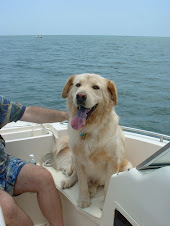
    Tubby

    Tubby
    Sweet boy

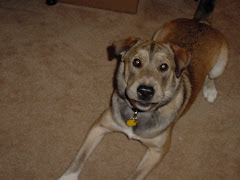
    Chloe Bear

    Chloe Bear
    Chloe as a baby!